The Humble Saucer: More Than Just a Plate for Your Cup
You know, sometimes the most ordinary things in our lives are the ones we think about the least. We use them, wash them, put them away, and repeat, without ever really seeing them. For me, that object has often been the humble saucer. Yes, I said it twice. That’s not a typo. It’s an emphasis. The first “saucer” is the object—the simple, curved piece of ceramic or porcelain. The second “saucer” is everything it represents: ritual, memory, practicality, and a quiet kind of domestic art.
I’m willing to bet you have a stack of them in your cupboard right now. They might match your cups, or they might be a motley crew of survivors from broken sets, each with its own history. They are the supporting actors in our daily drama of coffee breaks, afternoon teas, and hurried breakfasts. Let’s give it the attention it deserves. This isn’t just a history lesson; it’s a love letter to a simple, perfect design.
What Even Is a Saucer, Really?
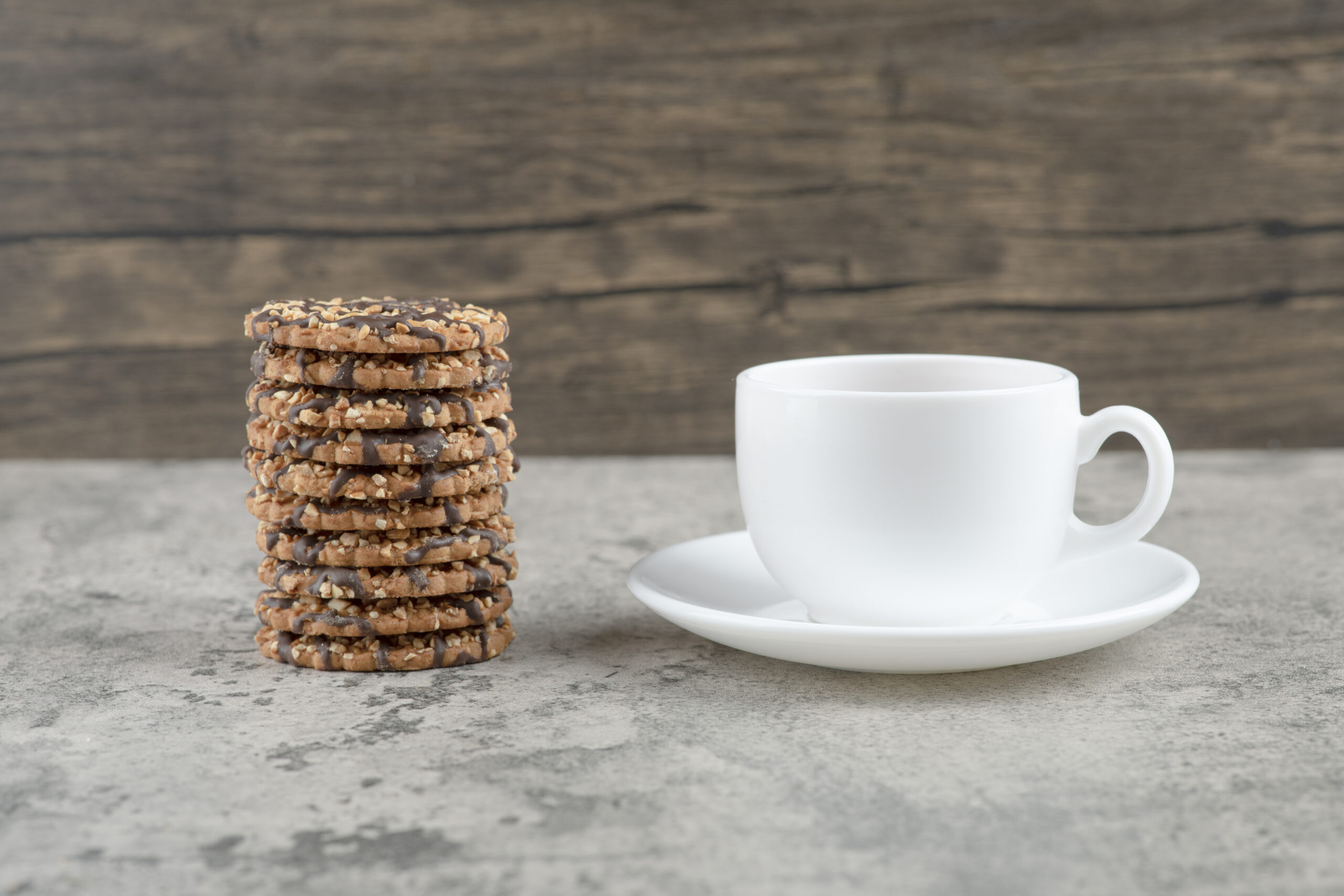
Let’s start with the absolute basics. A saucer is a small, shallow dish with a slightly concave center and a raised rim. Its primary, stated purpose is to be placed underneath a cup—a teacup, a coffee cup, a demitasse. It acts as a barrier between the hot, often damp bottom of the cup and the surface of your table, protecting that expensive wood or that sentimental tablecloth from heat rings and spills. It’s a protector. A guardian of furniture.
The real purpose of a saucer, in my opinion, is far more nuanced. In a pinch, it can even become a tiny plate for said biscuit.
Think about the ritual. The cup is the star. It holds the elixir—the caffeine, the comfort. Without the saucer, the cup is just a drink. With the saucer, it’s an occasion.
To understand the saucer, we have to go back. Way back. The word itself comes from the Old French ‘saussier’, which meant a dish for holding sauce. The evolution from a sauce dish to a cup’s companion is a fascinating journey through social and culinary history.
These were expensive, exotic imports, and their consumption was a display of status and refinement. The ceramics industry boomed in response, creating intricate, delicate tea services. The saucer, in these early days, served a very practical purpose that might surprise you.
The tea or coffee was often poured from the cup into the saucer to cool.
Yes, you read that correctly. People would sip their steaming hot beverage directly from the shallow, wider surface of the saucer. The cup was merely the pourer. This is why you see paintings from the era showing genteel folk delicately holding a saucer aloft. It wasn’t just for show; it was the primary drinking vessel for the hot liquid. The cup was more like a small pitcher.
The cup reclaimed its role as the drink-holder, and the saucer settled into its modern role as the loyal sidekick.
Okay, history lesson over. Let’s talk about right now. I argue it does, and its uses have wonderfully expanded beyond the formal tea set.
First, the obvious: The Classic Tea/Coffee Service.
This is its home turf. There’s an undeniable elegance to serving a guest a cup of tea on a matching saucer. It says, “I’ve taken a moment. This is special.” The gentle clink of the cup settling back onto the saucer is a sound of contentment. It forces a tiny pause, a mindfulness, that gulping from a giant mug sometimes misses.
Second, The Unexpected Hero of the Kitchen.
This is where I get excited. Over the years, I’ve found my saucers doing double duty in the most brilliant ways:
-
The Ultimate Prep Dish: Chopping a single garlic clove or a small shallot? Use a saucer. It contains the bits, and the curved edge acts as a guide for your knife.
-
Condiment Holder: Serving burgers or fries? Individual saucers for ketchup, mayo, or relish are perfect and feel delightfully fancy.
-
Plant Drip Tray: For small potted herbs or succulents on your windowsill, a pretty saucer is the ideal drip catcher.
-
Jewelry or Pocket Dump: Coming home, I empty my pockets—keys, coins, a stray button—onto a saucer on my dresser. It corrals the chaos beautifully.
-
Mini Dessert Plate: A small cookie, a square of dark chocolate, a few berries with cream—a saucer is the perfectly proportioned plate for a tiny, intentional treat.
The saucer’s size is its superpower. It’s the Goldilocks of dishes.
The “Saucer Saucer” Repetition: A Mindful Mantra
It’s a bit of a personal quirk, I’ll admit. “Pick something you see every day,” she said, “and really look at it. Say its name twice. It roots you in the present.”
I chose the saucer. That morning, as I made my coffee, I didn’t just grab a cup. I took a saucer too. I felt its weight, the smoothness of the glaze, the slight roughness on the unglazed foot where it was fired in the kiln. “Saucer saucer,” I thought. This isn’t just a piece of the set. This was made. It has a journey. It holds my morning ritual.
Saying it twice became a tiny mantra. It transformed the object from a generic noun into a specific, present-moment experience. “Spoon spoon.” “Book book.” “Rain rain.” It breaks the autopilot. The second is my recognition of it, my gratitude for its simple, perfect utility.
The Cultural Saucer: From UFOs to Symbolism
We can’t talk about saucers without briefly venturing into the skies. It’s fascinating how the shape of this most domestic, grounded object became the descriptor for mysterious, otherworldly spacecraft. The connection is purely visual—a reported disc-like shape—but it links the utterly familiar with the utterly unknown. It domesticates the alien. I find that oddly comforting.
A cup without a saucer feels incomplete, unstable, maybe even a little lonely. The saucer provides foundation. In literature and art, a cup and saucer can represent home, domesticity, conversation, and pause. A broken saucer can symbolize fragmentation or loss. It’s a potent little symbol hiding in plain sight.
A Personal Story: The Saucer That Survived
I have one saucer that doesn’t match anything. It’s a simple, creamy white bone china piece with a thin, gold-scalloped rim. It’s from my grandmother’s set, the rest of which was lost to various moves and accidents over decades. This single saucer survived.
For years, it sat at the back of the cupboard, useless without its cup. I couldn’t bear to get rid of it. Every night, that touch of gold rim catches the lamplight. It’s no longer part of a ritual of serving others; it’s part of my private ritual of ending the day. It’s a saucer saucer in the truest sense—an object, and a vessel for memory.
That’s the thing about these everyday items. They accumulate our stories. They are witnesses to our mornings, our conversations, our solitary thoughts. A chip on the rim isn’t just damage; it’s a timestamp.
Conclusion: Embracing the Saucer’s Wisdom
In a world that often values the new, the fast, and the multi-purpose in a single gadget, the saucer stands as a quiet testament to thoughtful, dedicated design.
My deep dive into the saucer saucer has left me with a newfound respect for the objects that populate my daily life. It’s a lesson in paying attention, in finding the extraordinary in the ordinary. Reach for a saucer. Feel its shape. Place your cup on it. Hear the soft ceramic click.
That, my friends, is the magic of the humble, glorious saucer saucer.
FAQs About Saucers
Q: Is it really necessary to use a saucer?
A: For the experience? Highly recommended. It elevates the simple act of drinking into a more mindful, complete ritual.
Q: Why do some mugs come with saucers and some don’t?
A: Mugs, with their larger, often insulated handles and shapes, are typically designed for more casual, sturdy use (like at a desk). Cups (like teacups) with thinner walls and delicate handles are traditionally part of a more formal service and almost always have saucers. It’s a design and tradition distinction.
Q: What’s the proper way to hold a cup and saucer?
A: In formal settings, you hold the saucer in your left hand at about chest height and drink from the cup with your right. The saucer stays in your left hand. In everyday life, do what’s comfortable! Most of us just leave the saucer on the table.
Q: What should I do with orphan saucers from broken sets?
A: Don’t toss them! Get creative. Use them as:
-
Mini dessert plates
-
Drip trays for small plant pots
-
Candle holders (for pillar candles)
-
A place to rest your kitchen soap sponge
-
A beautiful base for a small pot of jam or honey at the breakfast table.
Q: What’s the difference between a saucer and a coaster?
A: A coaster is usually thinner, made of cork, felt, paper, or stone, and its only job is to protect the surface. A saucer is typically ceramic/porcelain, has a raised rim to contain spills, and is part of the drinkware itself, often sold with the cup. A saucer is a functional dish; a coaster is primarily a protector.